

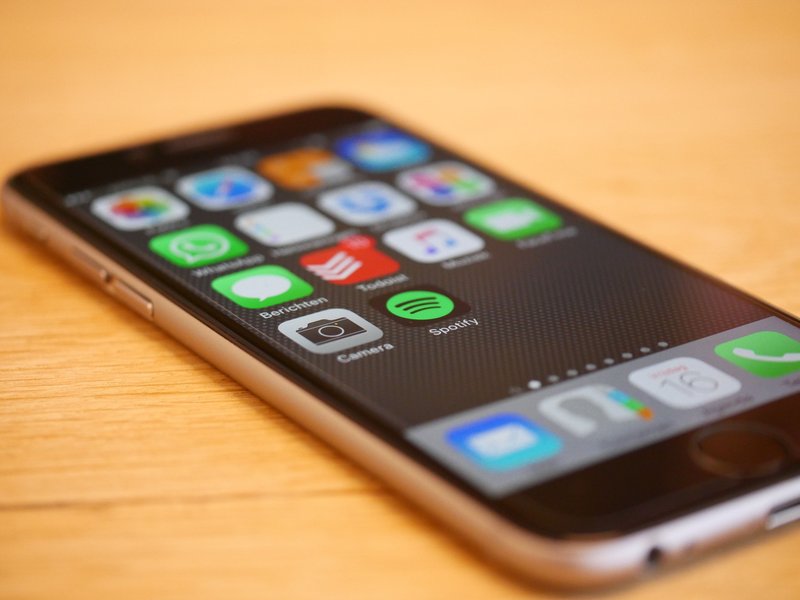
I was in a coffee shop on a rainy Thursday, scrolling through my phone to kill time. A new puzzle game popped up, and within two minutes I had beaten the first level. The screen was bright, the controls were fluid, and the soundtrack felt like a personal soundtrack. That moment made me realize how mobile apps are redefining what we call “entertainment.”
Speed of Adoption: 60 % of Global Downloads in 2025
In 2025, 60 % of all app downloads were for gaming. The growth rate from 2024 was 12 % year‑on‑year. Developers are targeting the 18‑34 age group, who spend an average of 4.5 hours per day on mobile games. That’s a jump from 3.8 hours in 2023. The increase is driven by faster processors, 5G rollout, and the rise of cross‑platform play.
Monetization Models That Work
Free‑to‑play remains the dominant model, but in 2026 we see a shift toward “freemium plus.” 35 % of top‑grossing games now offer a small monthly subscription that unlocks exclusive skins and early access to new levels. In contrast, only 12 % of games still rely on one‑time purchases. The subscription model is especially popular among mobile RPGs, where players spend an average of £4.50 per month.
Game Design Trends: Micro‑Sessions and Social Integration
Designers are cutting game length to 3‑5 minute sessions. That format matches the average commute time and fits into a single coffee break. Social features—leaderboards, co‑op modes, and shared achievements—are integrated via APIs from Facebook, Discord, and even TikTok. In 2026, 78 % of new releases include at least one social layer.
From Arcade to Casino: The Digital Entertainment Ecosystem
Just as mobile gaming blurs the line between casual play and competitive esports, the same trend is spilling over into online betting. Players who enjoy quick, skill‑based challenges are naturally drawn to platforms that offer instant payouts and low‑risk wagers. For those who like the thrill of a well‑timed spin, Velo bet offers a smooth, app‑friendly interface that mirrors the immediacy of mobile games.
Challenges and the Future
Battery drain remains a concern: high‑graphics titles can reduce a phone’s battery life by 25 % after a single session. Developers are countering this with adaptive graphics settings that lower resolution when the battery dips below 30 %. Another hurdle is privacy; users are increasingly wary of data collection, prompting stricter permissions for location and usage tracking.
Bottom Line for Creators and Players
For developers, the takeaway is clear: focus on micro‑sessions, integrate social play, and explore subscription revenue. For players, the best strategy is to try a mix of free and freemium titles, keeping an eye on battery usage and privacy settings. The mobile gaming surge isn’t just a trend; it’s reshaping how we spend leisure time, and the ripple effects will be felt across the entire entertainment industry.
Frequently Asked Questions
What inspired you to start playing mobile games?
The bright screen and smooth controls of a new puzzle game instantly captivated me during a rainy coffee shop break.
How has mobile gaming impacted your daily routine?
I now use gaming as a quick stress‑relief tool, fitting short sessions into breaks and commuting moments.
What percentage of app downloads are gaming apps worldwide?
In 2025, gaming apps accounted for 60% of all global app downloads, a 12% increase from 2024.
Why do mobile games feel more personal than console titles?
Their on‑the‑go design, instant feedback, and tailored soundtracks create a highly immersive, personal experience.